
Household Causes of Persistent Congestion: A Practical Room-by-Room Guide
Household Causes of Persistent Congestion
Why household causes of persistent congestion can be difficult to spot
Persistent congestion does not automatically point to one source. Indoor factors such as dust, mold, pet dander, and other airborne irritants can sometimes contribute, and several may be present at once. That overlap is what makes the situation frustrating: a bedroom may feel fine during the day, while sleep, closed windows, bedding, and a few uninterrupted hours in the same air make it feel very different at night.
Think of the home as a set of small environments rather than one giant room. The bathroom has moisture. The bedroom has fabrics and dust. The living room may have pets, upholstery, and a busy airflow pattern. The kitchen may have steam and ventilation demands. None of those observations identifies a cause by itself, but they can turn a vague concern into a more useful set of questions.
Look for patterns before buying solutions
A simple pattern log can be more useful than changing ten things at once. Notice when congestion seems most persistent: after waking, after cleaning, while spending time in one room, or after returning home. Also note visible dampness, musty odors, pet access to sleeping areas, and how often filters or bedding are maintained. This is not a diagnosis; it is a way to avoid treating the whole house as one mystery box.
Indoor air quality is about exposure, not perfection
Indoor air quality does not need to become a flawless laboratory project. Homes contain particles and moisture, and daily life creates both. The practical goal is to reduce avoidable exposure and identify conditions that deserve closer attention. A HEPA air purifier, an air quality monitor, or a dehumidifier may be useful tools in the right setting, but each answers a different question. A purifier moves air through filtration, a monitor reports selected conditions, and a dehumidifier addresses moisture. They are not interchangeable appliances wearing different hats.
Three common household triggers to examine
Dust and fabric-heavy rooms
Dust can collect on floors, shelves, blinds, upholstered furniture, bedding, and places that rarely make the cleaning schedule. Soft surfaces are especially easy to overlook because they do not look dirty in the same way a countertop does. If congestion appears most noticeable after making the bed, sitting on an older sofa, or spending time in a carpeted room, that timing is worth recording.
Start with manageable changes. Wash bedding according to its care instructions, clean hard surfaces with methods that capture rather than scatter dust, and pay attention to floors, vents, and the space under furniture. An allergen-proof mattress encasement may be a practical addition for people focusing on the sleep environment, although it does not replace regular cleaning. Bissell offers floor-care equipment that may fit households prioritizing carpets and upholstered surfaces; the relevant question is whether the cleaning routine actually reaches the surfaces where dust accumulates.
Pet dander and shared living spaces
Pet dander can be another airborne irritant in homes with animals. Regular cleaning can help reduce what settles on surfaces, but it may not fully change exposure if a pet spends most of its time on furniture, bedding, or in a small closed room. This is not an argument for blaming the pet. It is an argument for looking honestly at where the animal sleeps, sheds, and spends time.
Useful changes can be modest: keep sleeping areas consistent, wash pet bedding, clean fabric furniture, and consider whether the bedroom needs a different arrangement. A Coway air purifier may be considered for a room where airborne particles are a concern, while a separate cleaning routine deals with surfaces. The tradeoff is practical rather than glamorous: air filtration takes space, makes some noise, and needs ongoing filter replacement. A device cannot do the laundry or vacuum the sofa, unfortunately.
Mold and moisture-prone areas
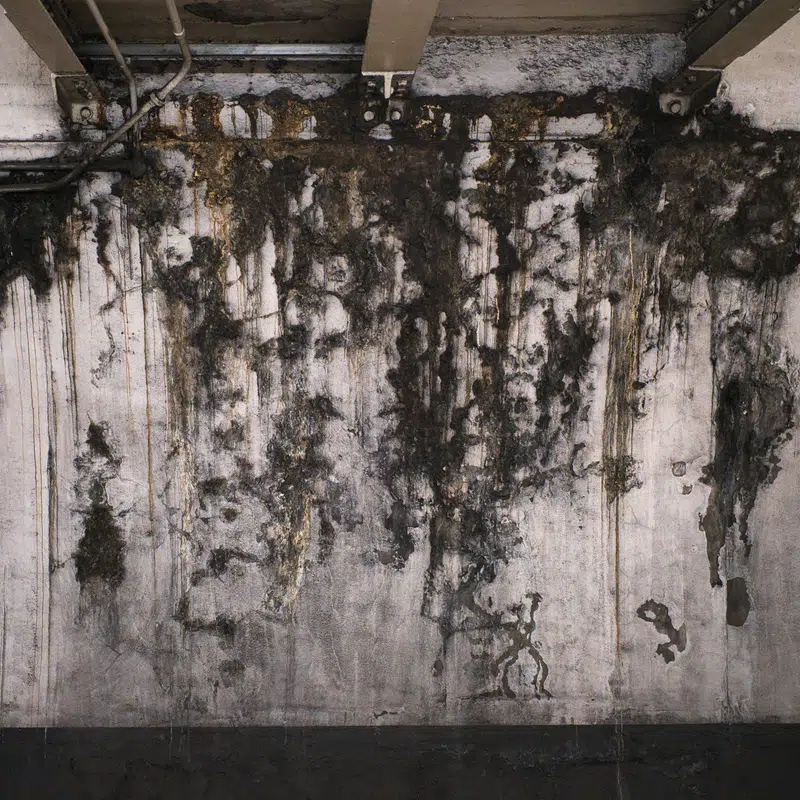
Mold is among the household factors that can sometimes be linked to persistent congestion. Bathrooms, basements, laundry areas, windows with repeated condensation, and spaces affected by water intrusion deserve special attention because moisture can create conditions that are different from the rest of the home. Visible growth, a recurring musty smell, peeling materials, or damp surfaces are reasons to pause and investigate rather than simply cover the area with fragrance or fresh paint.
Small, clearly understood moisture issues may call for better drying, ventilation, and routine cleaning. Uncertain, recurring, widespread, or water-damaged conditions are a different category. In those situations, mold inspection or indoor air quality testing may help frame the next decision, particularly when the source is hidden behind materials or linked to a known water event. It is unclear from symptoms alone whether mold is responsible, so the aim is to assess the building condition rather than leap from congestion to a conclusion.
- Bathroom: Check for recurring dampness, slow drying, and ventilation that does not seem to clear steam.
- Bedroom: Consider bedding, carpets, pet access, window condensation, and dust-prone surfaces.
- Basement or utility room: Notice damp odors, stored fabrics, visible staining, and past water concerns.
- Living room: Review upholstered furniture, pet areas, rugs, and how frequently the room is cleaned.
A step-by-step way to reduce exposure at home
The most sensible first response is usually targeted, not dramatic. Replacing every appliance or launching into a renovation before identifying the likely room can create expense without clarity. Work from the easiest observations toward the harder ones, and give each change enough time to become part of the routine.
Step 1: Map the rooms and moisture sources
Walk through the home with a short checklist. Look for condensation, damp materials, visible residue, odors that return after cleaning, pet bedding, dusty vents, and rooms that feel stale when closed. Note whether ventilation appears to move moisture out of bathrooms and kitchens. A home ventilation assessment may be appropriate when a room repeatedly holds moisture or feels poorly ventilated, especially if ordinary cleaning has not changed the pattern.
Step 2: Improve the basics that address more than one trigger
- Reduce settled dust: Clean frequently used floors and surfaces with a method suited to the material, then include bedding, upholstery, and less visible areas over time.
- Manage moisture: Dry wet surfaces, address leaks promptly, and use a dehumidifier where dampness is a recurring concern rather than a one-time event.
- Separate pet and sleep zones when practical: A consistent boundary can make it easier to understand whether the bedroom environment is part of the pattern.
- Maintain airflow: Use existing exhaust and ventilation features as intended, and notice whether steam or odors linger unusually long.
- Review filters and equipment: Any filtration device only performs its intended role when it is maintained according to its instructions.
Step 3: Use products as tools, not as a substitute for source control
Air-cleaning products can be helpful when matched to a clear purpose. Blueair and Levoit both offer air purification options that may be relevant to a room-focused plan, but a product comparison should begin with the room, the ongoing maintenance, and the suspected exposure rather than a promise that one machine will solve every indoor concern. A unit sized for a small bedroom may not suit an open living space, and a filter that is never replaced is mostly a decorative reminder of good intentions.
Likewise, a mold test kit may seem like a straightforward answer, but its result may not explain where moisture is coming from or whether a building material needs attention. When the source is unknown, mold inspection and testing can be a more useful discussion point than collecting isolated results without a plan for interpreting them.
When mold remediation becomes a reasonable next step
For suspected mold, the key issue is not merely whether a surface can be cleaned. It is whether moisture is recurring, whether the affected material is damaged, and whether the source can be identified and corrected. Mold remediation is generally a source-control conversation: address the condition that supports mold, evaluate affected materials, and avoid treating a recurring issue as though it were only a cosmetic stain.
Mold inspection, testing, and restoration are different decisions
A mold inspection focuses on evaluating a property for signs and locations of concern. Professional mold testing may be considered as part of a broader assessment, but testing alone is not a repair plan. Mold restoration concerns the work needed after water or mold-related damage has affected a space. These terms are often used interchangeably in casual searches, yet they describe different stages of a problem.
| Service or product | How it may fit a household plan |
|---|---|
| mold inspection | Can help evaluate visible or suspected moisture-related concerns and identify questions for the next step. |
| indoor air quality testing | May add context when a household is investigating airborne irritants, with results considered alongside room conditions. |
| mold remediation | Addresses a mold-related condition through a scope that should include the moisture source. |
| professional duct cleaning | May be considered when a household has specific duct-related concerns, rather than as a universal answer to congestion. |
| home ventilation assessment | Can be relevant when moisture or stale air repeatedly affects particular rooms. |
How to assess mold remediation companies near me
When searching for mold remediation companies near me, begin with the scope of the problem. Ask how the provider distinguishes inspection from mold remediation, how the moisture source will be addressed, and what the proposed work includes. A mold company near me may offer an initial assessment, but the useful comparison is not just the company name. It is whether the explanation connects the observed condition, the source of moisture, the affected area, and the follow-up needed to prevent recurrence.
People also search for mold restoration near me when a water event, damaged material, or persistent dampness makes the issue feel urgent. That wording can bring together restoration and remediation services, so it helps to ask which work is actually proposed. Mold restoration near me may involve a broader repair need, while mold remediation may be focused on the mold-related condition itself. Clarity here can prevent a confusing estimate from becoming a confusing project.
Comparing practical indoor-air options without the marketing fog
Comparing products is useful when the comparison stays connected to the home. The best choice for a small bedroom with dust and pet dander may not be the best choice for a damp basement. Product claims can sound broad because broad claims sell neatly, but a household plan works better when every item has one job.
Air purifiers for dust and dander concerns
Dyson may appeal to households that want an appliance combining airflow and purification features, while Austin Air may be considered by people who prioritize a dedicated air-cleaning device. Neither brand removes the need to reduce dust on surfaces or manage a pet’s sleeping area. Compare the practical details: room placement, noise tolerance, filter replacement, and whether the household can keep the unit running consistently.
Honeywell and Winix are additional names a shopper may encounter while comparing air purifier options. The useful question is not which brand wins an imaginary universal contest. It is which model and maintenance plan fit the room being addressed. For a closed bedroom, placement and sustained use may matter more than adding a large unit to a distant hallway.
Moisture control and follow-up
A dehumidifier may help manage a persistently damp environment, but it does not repair a leak, reverse material damage, or establish why moisture is entering a space. If dampness returns after the appliance is emptied and maintained, that repeat pattern is valuable information. It may be time to consider a mold specialist, a home ventilation assessment, or a focused mold inspection rather than escalating through increasingly elaborate air fresheners.
Building a calmer long-term household plan
Persistent congestion can be unsettling, particularly when it affects sleep or multiple people in the household. The practical path is to focus on what can be observed and changed: dust accumulation, pet zones, recurring dampness, airflow, and rooms that consistently feel different. Reduce exposure where possible, document what changes, and seek appropriate professional or medical guidance when symptoms persist or concerns become more serious.
Questions that make a professional conversation more useful
Whether the next conversation is with a mold specialist or a mold removal company near me, specificity helps. Describe the room, the moisture history, visible conditions, odors, past water events, and what has already been tried. Ask how mold mitigation differs from mold removal, whether mold abatement addresses the moisture source, and what follow-up is recommended. Mold mitigation near me is a useful search phrase when the goal is reducing an ongoing condition, but the answer should still fit the actual property issue.
Keep the plan proportional
Not every congested morning means a major home project, and not every visible damp spot should be ignored. Start with the room-level evidence, take practical steps, and escalate when the condition is recurring, hidden, water-related, or difficult to understand. That approach leaves room for ordinary maintenance while making space for professional mold remediation when a household concern has moved beyond ordinary maintenance.
You may also like

Cleaning Vinyl Siding With Household Items
A clean exterior rarely begins with an expensive machine. A few familiar household items can change the look of vinyl siding, but the useful distinction is not the cleaner itself. It is the method, the surface, and the restraint.

Out-of-State Moving Grants for Low-Income Households: A Practical Guide
An interstate move can change housing, work, schools, and support networks at once. The difficult part is rarely deciding to relocate; it is building a clear plan for costs, paperwork, emergency needs, and the assistance paths worth investigating.

Golden Retrievers as Companion Pets: A Clear-Eyed Household Guide
A Golden Retriever can bring warmth, routine, and a steady presence to a home, but the fit depends on more than a friendly face. Consider the daily rhythm, household capacity, and care choices before making a lasting commitment.

The Most Hazardous Household Appliances: Where Everyday Use Turns Risky
An appliance can look ordinary while the connection behind it is carrying more heat and strain than anyone notices. Electricians watch for a small set of warning patterns, where a daily routine becomes a household risk.

Household Energy Use: A Practical Guide to What Stays Plugged In
The quietest things in a home can be the most persistent: chargers, screens, kitchen displays and entertainment boxes that remain plugged in long after the room is empty. A closer look makes it easier to decide what deserves attention first.

Five Debt Warning Signs to Notice in Your Household Budget
Money worries rarely arrive all at once. They often begin with a few small changes in the household budget that are easy to explain away. Notice what has shifted, name it calmly, and consider what support could help you feel steadier.